




















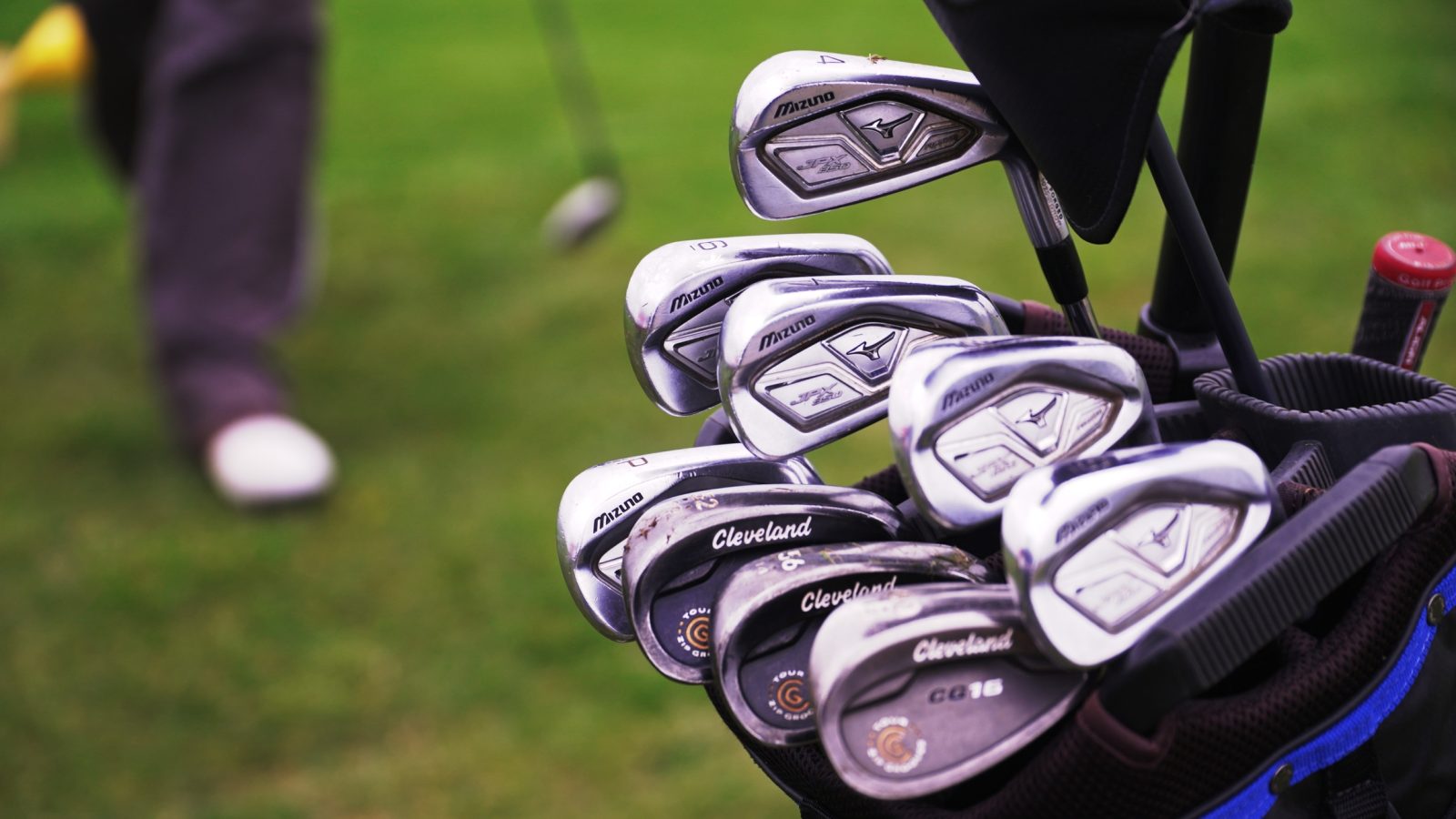
Golf has always carried that glossy image of luxury gear, sharp designs, and an exclusive vibe that makes it stand out from the pack. Step into a pro shop, and the sticker shock hits immediately: drivers priced like a fancy weekend getaway, iron sets that could buy a top kitchen remodel, putters pitched as collector’s items. Naturally, this sparks a big question: do these high-end clubs actually deliver enough bang for the massive bucks?
The answer resists a simple yes or no. Real value depends on the golfer’s skill, goals, and the extent to which those tiny tweaks truly move the needle. Swing flaws and smart course play often outweigh gear anyway. Brands invest heavily in cutting-edge tech, but results differ wildly from one player to the next.
What Fuels Those Eye-Watering Prices?
Those premium tags come from smart bets on research, top-shelf materials, and clever engineering. Companies run endless trials — think computer models and wind-tunnel runs — to fine-tune clubheads for max forgiveness, blistering ball speeds, and perfect launch angles. The goal: wring out every possible yard from swings.
Materials make a massive difference. Titanium faces meet carbon-fiber crowns in multi-layered builds that stay light but tough as nails. Designers reposition weight just so — out to the edges for rock-solid stability, or deep in the sole for easy pop-ups — so clubs hold up in the heat of a round.
Customization piles on the cost, too. Elite sets offer shaft flex matched to your swing tempo, grips sized for your hands, and lie angles dialed for your stance. Cheaper clubs force compromises; these let players shine without fighting the tool.
Big brands jack up prices with sheer name power. Tour victories and pro endorsements create die-hard fans; slick ads convince folks their sticks outperform the rest, even if lab tests show razor-thin edges.
Do Performance Boosts Live Up to the Hype?
Fans of pricey gear swear by the leaps in play, and some data backs them up. High-end drivers feature huge sweet spots that save distance on off-center hits; a toe mishit drops just a few yards, not twenty like on bargain models. Fitting sessions with Trackman often reveal 5 to 10 extra yards for folks hovering around a 15 handicap.
Irons from premium lines feel like butter on clean strikes, with feedback that helps nail distances like the pros. Wedges bite greens hard, spinning shots to check up fast, even on a damp fairway.
For average Joes, though, gains shrink fast. A weekend hacker ripping at 90 mph might pick up a couple yards or tighter shot patterns, but scores barely budge. Tech helps smooth things out, but bad habits like over-the-top slices laugh it off, no matter the price. Sites like MyGolfSpy run blind tests showing most amateurs hit peak value with solid mid-tier stuff, while anything fancier yields peanuts.
Skill Level Decides If It’s Worth It
Value shifts dramatically with your game. Beginners and high handicappers thrive on forgiving “game-improvement” irons that launch high and straight, even on fat shots. Sets under $800 deliver that mercy without breaking the bank.
Around a 15 handicap, intermediates start feeling upgrades: better dampening kills harsh vibes, progressive weighting boosts control on approaches, and strokes start falling off.
Single-digit players cash in the biggest. Forged blades let them work the ball — fades through wind, draws around trees, low runners under branches — while adjustable drivers tweak lofts and faces on the fly. In club events or head-to-head matches, that precision pays dividends.