




















The LIV Effect: Disruption and Dollars
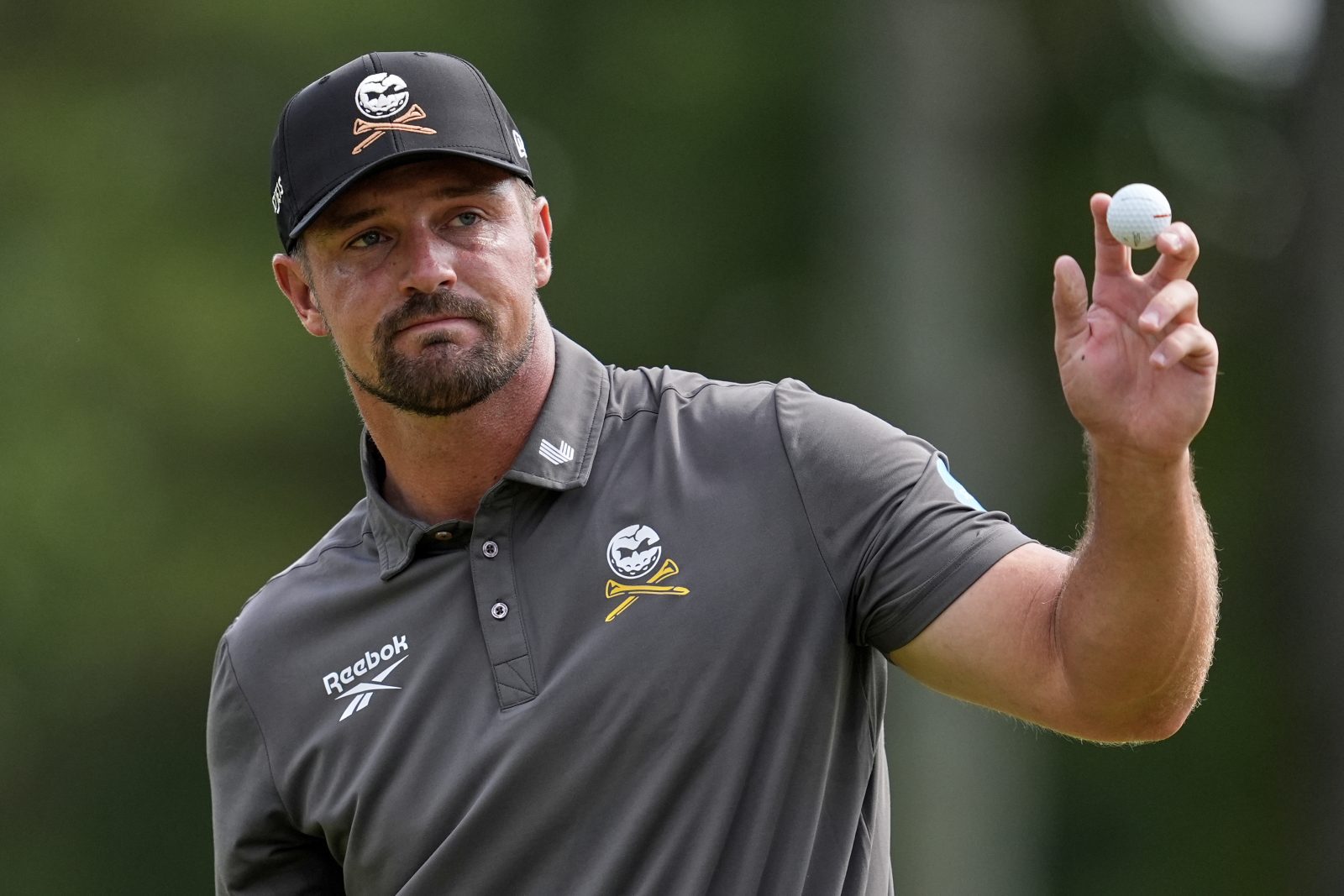
LIV Golf arrived in 2022 and caused controversy but by 2025 it’s also changed the endorsement landscape. Players like Brooks Koepka, Bryson DeChambeau and Dustin Johnson who were once reliant on traditional equipment and apparel deals have pivoted to broader business interests and direct to fan monetization.
Brooks Koepka – Redefined Marketability
With fewer mainstream endorsement deals, Koepka’s popularity with younger fans has led to non-traditional deals with companies like Michelob Ultra, DraftKings and crypto platforms. He’s become more of a lifestyle influencer than a pure golf brand ambassador, leveraging his edgy image and social media presence.
Bryson DeChambeau – Science, Tech and Spectacle
DeChambeau has taken his “mad scientist” brand to the next level. His deal with Cobra/Puma ended but he’s launched his own equipment and nutritional products. He’s also partnered with emerging tech brands and is a favorite among start-ups looking for a bold, unconventional face.
LIV’s team-based format has also opened up new endorsement channels—sponsoring entire teams and branded content initiatives—giving players group equity and marketing exposure beyond the individual.
Brand Trends in Golf Endorsements
Equity Over Endorsements
More players are choosing equity stakes in companies over traditional endorsement deals. Tiger and Rory led the way but the younger players are following. Whether it’s sports tech, golf simulators, health supplements or lifestyle brands, players want ownership and long-term growth not just one-off checks.
Direct-to-Consumer (DTC) Brands
There’s a growing trend of golfers partnering with DTC companies—like G/FORE, Good Good Golf and Malbon—who target younger, fashion-conscious fans. These brands often prefer influencer style collaboration deals where players co-design apparel or gear and earn revenue based on sales.
Social Media & Creator Culture
TikTok and YouTube have become the new battlegrounds for golf marketing. Players like Max Homa and Paige Spiranac (a golf influencer with over 4 million followers) are cashing in by blending content creation with brand deals. Engagement rates matter as much as tournament finishes.
The Gender Gap: Closing
The gap between men’s and women’s golf is still big, but 2025 is showing progress. Nelly Korda and Lexi Thompson are leading the way, both signing seven figure deals. The LPGA has also launched its own influencer hub to connect players with brands and agencies, helping to professionalize the off-course opportunities for its stars.
And the LPGA’s co-sanctioned events with the LET and Netflix style documentaries are building the kind of media presence that attracts sponsors.
Parting Shot
In 2025, winning in golf is about more than birdies and bogeys. It’s about reach, relevance and reputation. Tiger Woods is the gold standard but younger players like Åberg, Korda and Tom Kim are writing the new rules for how athletes can build a brand in a changing media and consumer landscape.
As endorsement dollars shift to storytelling, social engagement, and cross platform visibility, the smartest players are becoming business savvy entrepreneurs. The old model of wearing a logo on a hat for a check still exists, but the future belongs to those who can command a brand not just a leaderboard.