





















Say “muni” to most golfers and a certain picture forms fast. Long waits. Thin turf. Greens that bounce like a driveway. Some of that reputation was earned, fair enough. But things have shifted quietly over the last couple of decades.
City and county-owned courses have leaned into real design, real maintenance budgets, and routing that actually makes sense on the ground. The result is public golf that feels a lot closer to a private club than most people expect.
No initiation fee. No waitlist. No collared shirt required at the gate.
What Separates a Great Muni from an Average One?
Not every muni gets there. Honestly, most don’t. The ones that do share a handful of traits. Solid architecture tends to top the list, since a smart routing holds up decades later even on a shoestring budget.
Agronomy is the tougher half of the equation. Keeping turf healthy under thousands of rounds a year is no small feat, and plenty of budgets simply can’t keep pace.
Then there’s identity, which is harder to measure but easy to feel. A course that feels like somewhere, whether that’s desert scrub or a windswept coastline, sticks in memory longer than one that just feels like green space with flagsticks stuck in it.
Bethpage Black: The Original Public Powerhouse
Bethpage Black still sets the bar. It’s not particularly close, either. Built on Long Island by A.W. Tillinghast during the Depression, and then given a firmer edge by Rees Jones decades later, the course has hosted multiple U.S. Opens and a PGA Championship without ever losing its public status.
That famous sign at the first tee, warning golfers the course isn’t recommended for high handicappers, has practically become part of the brand.
Walk the property, and it’s hard to shake the feeling of playing a private championship layout. Right up until someone mentions the tee time was booked online at 6 a.m., not through a membership committee.
Papago Golf Course: Desert Elegance in Phoenix
Papago sits under the shadow of Camelback Mountain. For years, it was just an okay Phoenix option, nothing special. A 2009 renovation changed that story completely.
Fairways run wide and forgiving against a backdrop of red rock, while the greens firm up fast and punish sloppy iron shots. Golf writers keep circling back to Papago as proof that resort-level conditioning can show up at a municipal price.
The clubhouse views alone would feel out of place at some Scottsdale resorts charging triple the green fee.
Rustic Canyon: Minimalism Done Right
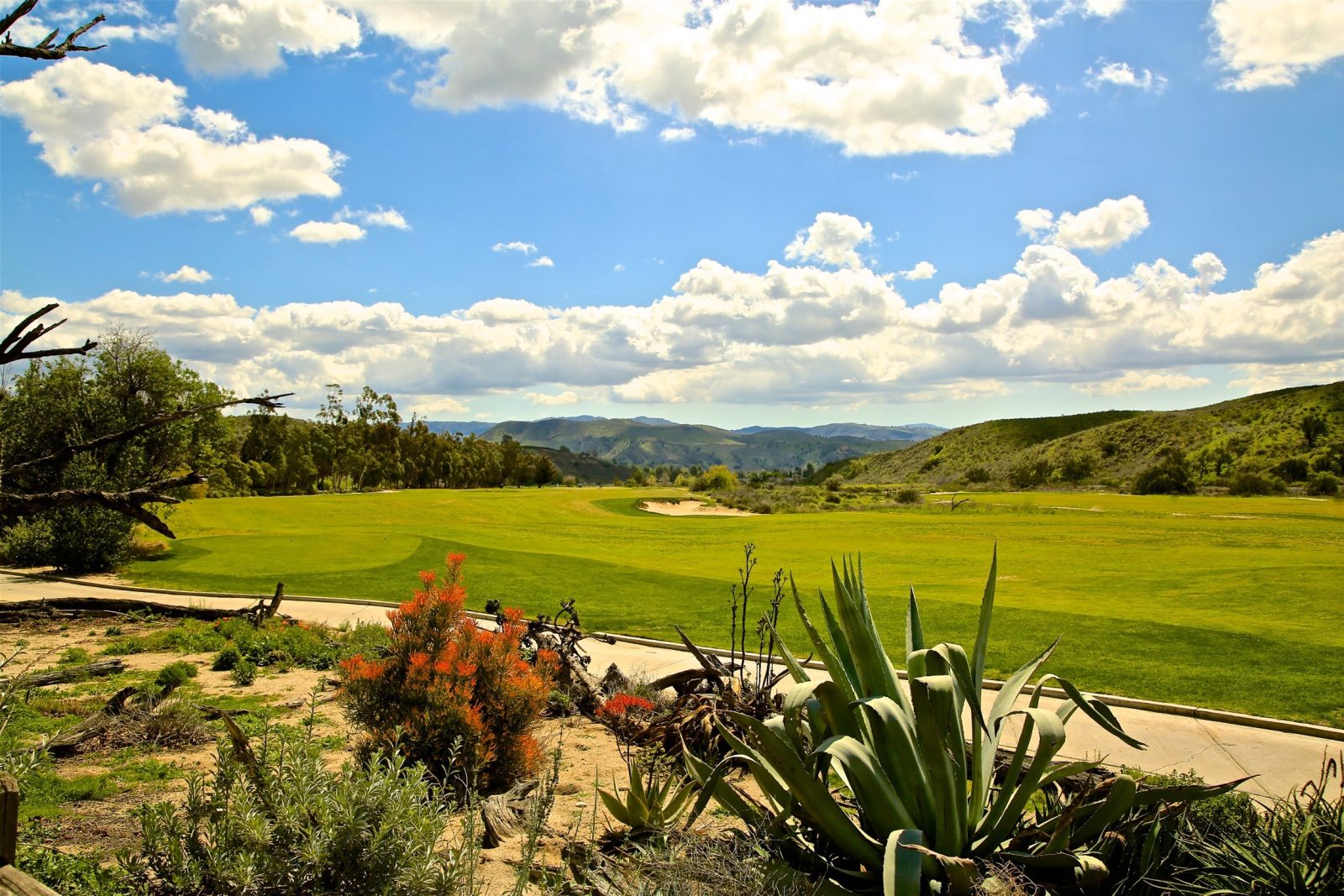
Rustic Canyon plays by a different set of rules entirely. Gil Hanse and Geoff Shackelford built it around ground game strategy instead of leaning on length or water hazards, which was a bit of a gamble at the time.
Fairways move naturally through the canyon terrain rather than fighting it. The greens carry subtle contours that reward players who think their way around instead of just swinging as hard as possible.
Course architecture folks bring this one up often as proof that a modest budget, paired with real design talent, can beat plenty of resort courses costing five times as much.