





















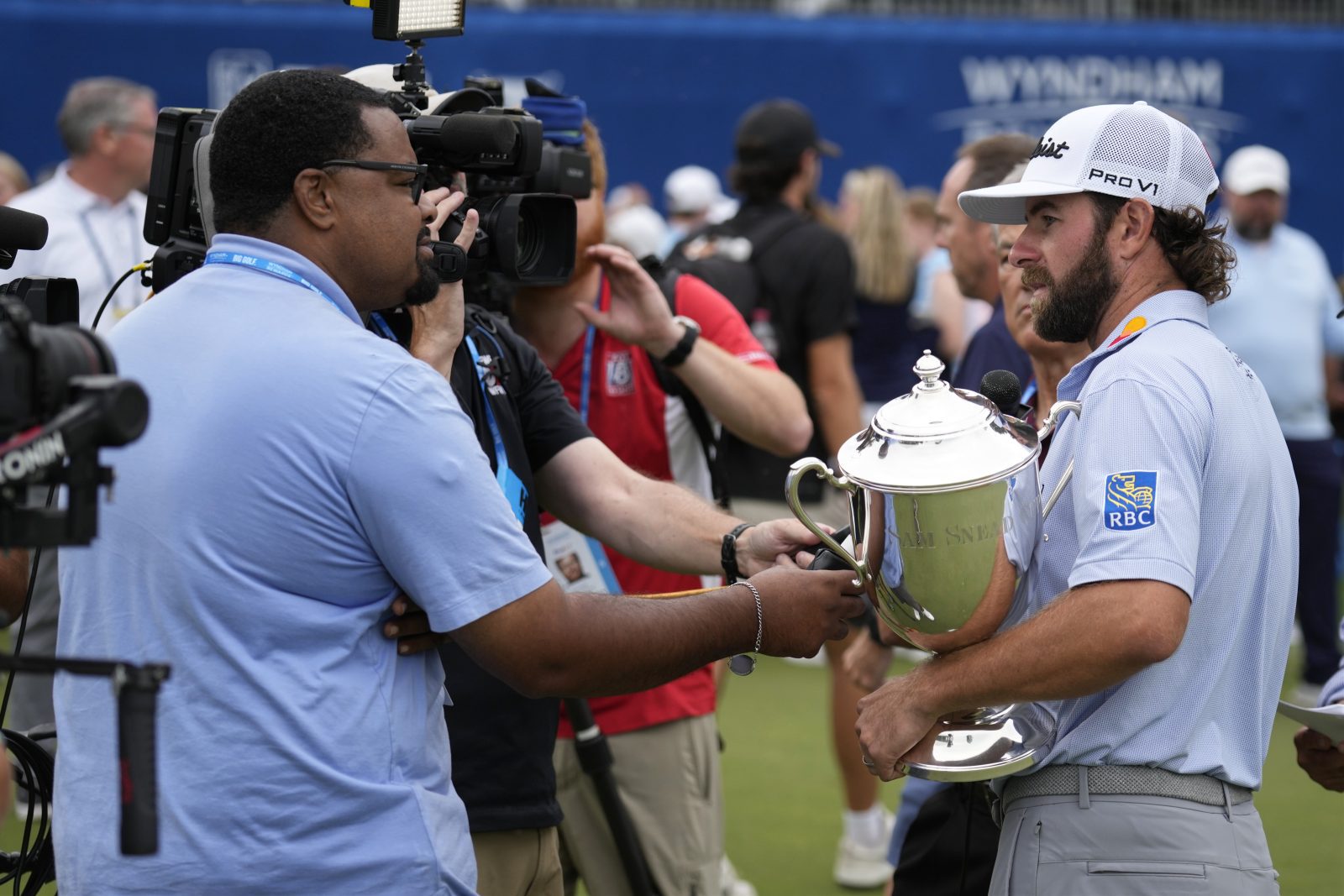
You’re watching golf differently than you did five years ago, and that’s by design. Coverage has stretched from tidy TV windows into a noisy, brilliant ecosystem: studio-produced world feeds, bite-sized social clips, betting streams, player-led channels, and a louder spotlight on women’s golf. We walk you through the big shifts, what they mean for you as a fan (or creator, or marketer), and how to read tomorrow’s coverage today.
Broadcast backbone is getting smarter, not smaller
If you grew up with three nightly sports highlights, you’ll notice something different now: major tours are building infrastructure to control and package their own stories. The PGA TOUR launched new production offerings and a global feed that standardizes how tournaments look and feel across platforms, which means more consistent camera work, graphics, and storytelling whether you’re watching on cable or a streaming app. This isn’t just about polish; it’s about tours becoming content companies first, rights-holders second.
Streaming, windows, and the blurring of “live”
Linear TV still matters — especially for marquee events — but streaming fills the gaps and experiments. You now get specialty streams: alternate commentary, betting-focused feeds that show evolving odds and player prop stats, and extra-air coverage for lead-up holes and featured groups. These formats treat golf like a sandbox for new viewing habits: pick the angle you want and stay for as long as it entertains you. Networks and leagues are chasing metrics that show incremental audiences across platforms, not just a single Nielsen number.
Short-form video and creator-native coverage
Short clips — tee shots, trick shots, raw player reactions, and 30-second explainers — are now the most effective way to recruit new eyeballs. Creators and official tour channels post snackable content multiple times a day; it’s how casual fans discover tournaments and how younger viewers stay tuned. This content is rawer, faster, and more personality-driven than traditional telecasts, and it monetizes through sponsorships and platform incentives instead of traditional ad buys. If you want to grow an audience, think shorter, bolder, and more human.
New players, new narratives, and more competitions
The arrival of new leagues and alternate event formats has forced broadcasters to rethink schedules and storytelling. Rival tours and high-profile events now negotiate their own broadcast deals and take different approaches to presentation — more music, festival atmospheres, and fan zones — which can draw different demographics. That competition means more choice for you, but also more fragmentation: the best content wins attention, and the rest must adapt.
Data, tech, and interactive layers
Shot-tracking, real-time analytics, player data overlays, and AR graphics are no longer gimmicks; they’re expected. Many broadcasts now integrate stat packages that make sense to a casual viewer and satisfy the analytics nerd at the same time. Add interactive features — betting markets, polling, alternate audio — and you have a more immersive product. For you, this means broadcasts are informative and actionable: you can learn faster, argue smarter with friends, and make viewing decisions based on real-time info.
Women’s golf is getting louder
Women’s golf has climbed in visibility, with bigger prize pools and more strategic promotion. Broadcasters are rethinking airtime and investing more in LPGA and women’s majors as audience evidence accumulates. That shift is important: you’ll see more prime-time windows, feature storytelling about players’ journeys, and sponsorships matched to the growing viewership. This isn’t a trend that’s going away; it’s a correction toward balancing coverage that better reflects the sport’s audience.
What it means for you: as a fan, creator, or brand
If you’re a fan: You have the pick of formats. Want deep, expert analysis? Watch the studio-style broadcasts. Want immediate thrills? Short-form clips and highlight reels will do it. Want an immersive night at the course from your couch? Seek the alternate and betting feeds.
If you’re a creator: Personality rules. Authentic, human content that explains, entertains, or surprises will cut through. Don’t try to mimic broadcast — use voice, quick edits, and vertical formats to meet audiences where they are.
If you’re a brand or marketer: Niche placements and creator partnerships outperform broad sponsorships alone. Invest in content series, not just logos. The tours’ own production arms make bespoke sponsorship packages easier, but independent creators give you immediate authenticity.
Conclusion
Golf media is shifting from one-size-fits-all broadcasts to a layered experience you control. That’s great news: you can be an expert, a casual fan, or a community builder — sometimes all in the same weekend. The game’s storytelling is getting faster, more diverse, and more human. Your role? Choose how you want to watch, and bring your curiosity. The cameras — and the creators — will handle the rest.