



















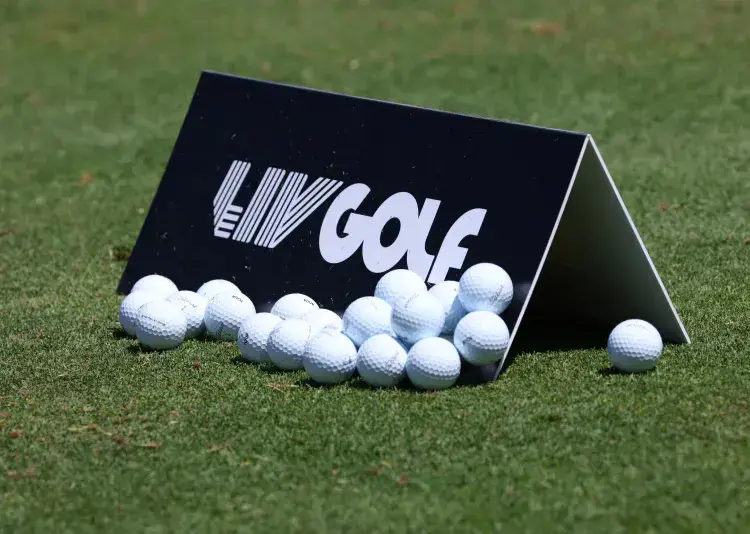
Professional golf has been running two parallel storylines since 2022: the century-old PGA TOUR and the breakaway LIV Golf, bankrolled by Saudi Arabia’s Public Investment Fund (PIF). The rivalry altered prize money, schedules, and headlines, leaving fans wondering whether a clean reunification is even possible. The question is no longer purely theoretical; talks, offers, and public positioning keep the sport in a rare state of high drama.
The story so far
A framework agreement announced in mid-2023 promised to align commercial interests across the PGA TOUR, LIV Golf, and the DP World Tour, but key pieces were never finalized. Since then, negotiations have oscillated between bursts of optimism and flat refusals. The PGA TOUR formally rejected a reported $1.5 billion investment offer from the PIF in early 2025, underlining substantive disagreements about governance and control.
Money has been central. Public filings and reporting indicate massive capital injections into LIV Golf over recent years, approaching multibillion-dollar levels as the circuit builds its events and rosters. That financial muscle gives LIV staying power, but also raises questions about long-term sustainability, sponsorships, and TV rights — all bargaining chips in any reunification.
Why reunification is complicated
- Governance and independence – The PGA TOUR’s leadership and membership structure is built around a degree of player control and long-standing commercial partnerships. The PIF’s involvement introduces sovereign-wealth influence that many stakeholders view differently — some as investment and stability, others as undue control. That misalignment in governance philosophy is a core stumbling block.
- Player contracts and suspensions – Many top players signed multi-year deals to jump to LIV; contractual obligations and scheduling commitments create friction. Additionally, suspensions and eligibility rules complicate simple cross-tour movement, meaning a “one-day swap” of players is legally and practically awkward. Recent reporting about marquee players considering returns — some subject to suspension windows — demonstrates how thorny the player layer can be.
- Brand and broadcast rights – Leagues are not only about tournaments but also about content, media deals, and global distribution. The PGA TOUR’s TV partners and longstanding sponsor ecosystem see a clear brand, whereas LIV’s model emphasizes new formats, entertainment, and global expansion. Merging those strategies requires careful negotiation both economically and culturally.
- Public perception and geopolitics – Questions about human rights and sportswashing have been raised by observers and sponsors since PIF’s involvement. Even if commercial terms can be agreed, reputational concerns could make some partners wary of a unified deal.
Paths that could lead to reunification
Despite the friction points, a handful of practical routes to reunification (or at least workable cooperation) exist:
- Commercial alliance, not a full merger – A limited agreement that coordinates scheduling, ranking points, and cross-licensing might be politically easier than a full merger. That would protect brand autonomy while easing player movement and fan confusion.
- Joint venture with ring-fenced governance – A structure where PIF (or LIV’s commercial arm) invests in a new, independently governed commercial entity — while preserving tour boards for sporting decisions — could bridge the trust gap. The specifics would be key: voting rights, transparency, and anti-conflict measures would need ironclad language. Reporting shows the PGA TOUR pushed back on offers it felt compromised long-term independence, which explains why past proposals stalled.
- Stepwise reintegration – Pilot programs — co-sanctioned events, cross-tour team competitions, or shared ranking points — could prove mutual value and build confidence. Small wins may unlock bigger deals.
What to watch next
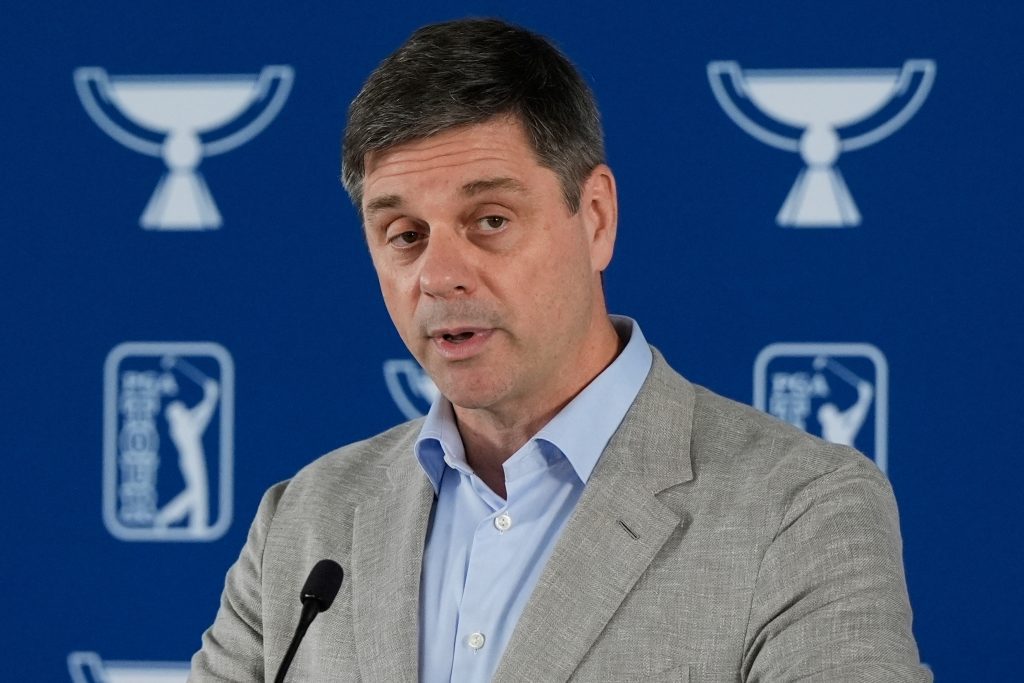
- Statements from leaders – Executives on both sides continue to talk publicly and privately. Any shift in tone — toward compromise or hardline — will be a strong signal. Past comments by PGA TOUR leadership emphasize reunification on favorable terms, not at any cost.
- Financial moves – Additional capital injections, sponsorship announcements, or media rights shifts by PIF/LIV or the PGA TOUR will change leverage. The depth of PIF’s spending and willingness to maintain losses factors heavily into negotiation dynamics.
- Player decisions. Returns, defections, and contract renewals among high-profile players alter the bargaining table overnight. Reports of individual stars reconsidering their futures are especially meaningful.
A realistic timeline and likely outcome
Reunification on equal terms within a single season seems increasingly unlikely as every day passes by. Complex governance, legal obligations, global broadcast contracts, and brand issues are not solvable at the 11th hour. More plausible is a phased, pragmatic approach: shared events, aligned ranking systems, and a commercial partnership that keeps both brands visible while reducing fragmentation for fans.
That outcome would satisfy short-term business needs — players get clearer pathways to majors, sponsors regain unified exposure — and allow both organizations to preserve their distinct identities while cooperating commercially. It won’t be tidy, but sport rarely is.
What this means for fans
The split recharged golf with rival formats, big-name moves, and lots of headlines. If reunification happens in any sensible form, fans should expect more cross-tour matchups, fewer weeks of player absences, and a cleaner calendar for following favourite stars. If it doesn’t, the sport will continue to adapt: competing tours can push innovation, but fragmentation risks confusing fans and diluting marquee events.
Either way, the drama has turned golf into one of the most-watched business stories in sports. The next chapters will be written in contracts, boardrooms, and occasionally on the leaderboard, so fans should keep a close eye on the off-course play as much as the on-course action.