





















Golf was once a sport for the elite and mostly confined to North America and Europe. But in recent years, it has exploded in popularity across Africa and the Middle East. With new investments, emerging champions and growing interest in global sports tourism, these regions are making their mark in the golfing world. From the dunes of Dubai to the highlands of Kenya and the coasts of Morocco, it’s no longer a niche pastime but an evolving industry with global potential.
Investment and Infrastructure
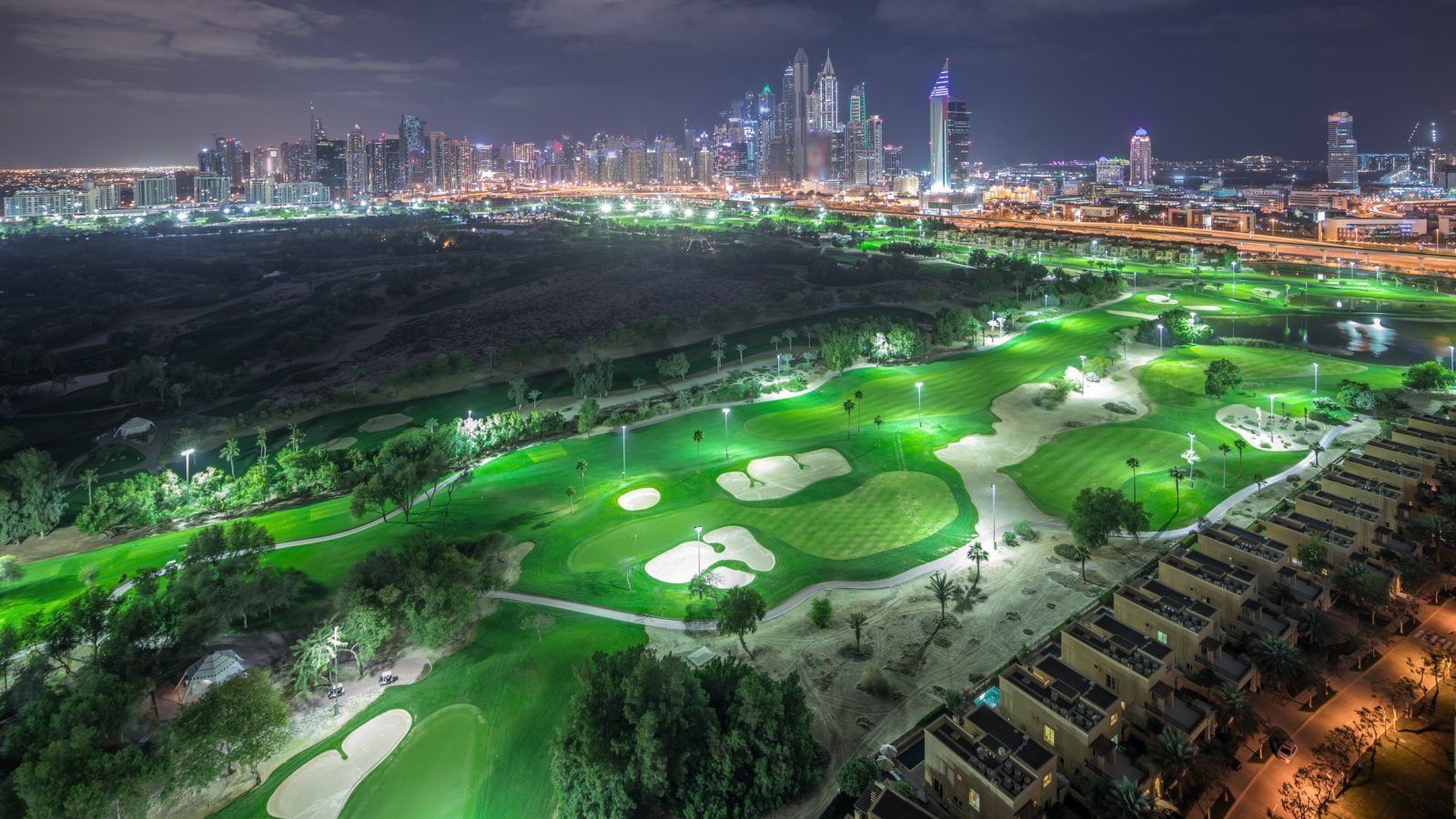
Golf’s growth in Africa and the Middle East is driven by investment in infrastructure. Countries in the Gulf, particularly the UAE and Saudi Arabia, have invested billions in sports facilities as part of their broader economic diversification strategies. Dubai has world-class golf courses like the Emirates Golf Club and Jumeirah Golf Estates, both regular hosts of DP World Tour events. Saudi Arabia has followed suit with the construction of championship courses and LIV Golf events.
In Africa, South Africa is the continent’s golf powerhouse with over 500 golf courses and a history of producing world-class players like Gary Player, Ernie Els, and Louis Oosthuizen. But new markets are emerging. Kenya, Rwanda, Morocco, and Egypt are investing in golf tourism and development. Morocco has positioned itself as the top golfing destination in North Africa with over 40 quality courses and major tournaments like the Hassan II Golf Trophy which has attracted international players for decades.
Youth Development and Accessibility
One of the most encouraging signs of golf’s growth is the game’s accessibility. Traditionally a sport for the rich, efforts are being made across Africa and the Middle East to democratize golf. National federations, sponsors and NGOs are introducing junior golf programs to nurture talent from a young age.
In Kenya, the Safari Tour has become a key platform for regional pros, with increased sponsorship from local and international partners. Nigeria and Uganda are also seeing more junior programs being integrated into schools and community centers, providing opportunities to play and compete that were previously unavailable.
The Middle East is also focusing on grassroots development. The UAE Golf Federation runs development programs that have introduced thousands of schoolchildren to golf. Saudi Golf Federation is working to establish the sport at all levels of society through initiatives like “Golf Saudi” and the “Mass Participation” program, to make the game a part of Saudi youth culture.
The Role of Tournaments
Tournaments have been a big part of golf’s image and participation in these regions. Events like the Dubai Desert Classic, Abu Dhabi HSBC Championship and Saudi International have brought in the world’s best players, global media and local stars. They happen during the European Tour off-season so top players participate, the weather is perfect and the facilities are world-class.
Africa is gaining speed. The Sunshine Tour in South Africa is booming and the co-sanctioned events with the DP World Tour have given African players a global stage. The Magical Kenya Open has become the flagship event for East Africa, showcasing local talent and the country’s tourism product.
Notable Players and Rising Stars
Africa and the Middle East are producing more golfers who are playing — and winning — on the global stage. In Africa, South Africa is still dominant but players from Kenya, Zimbabwe, and Nigeria are starting to make a name for themselves internationally.
One to watch is Kenya’s Greg Snow who plays on the Sunshine Tour and is a regular top 10 finisher on the Safari Tour. Morocco’s Ahmed Marjane was the first Moroccan to get a European Tour card while Saudi Arabia’s Faisal Salhab and Othman Almulla are part of a new generation of Middle Eastern players who have represented their country in top level competitions.
They are role models and proof that the global golf ecosystem is becoming more inclusive. Their visibility inspires young athletes and shows that world class golf is possible outside the traditional strongholds.
Tourism and Climate
Both Africa and the Middle East are using golf to grow their tourism economies. The appeal is clear: year-round sunshine, exotic landscapes, luxury resorts, and culturally rich travel experiences. Countries like Mauritius, Egypt and Morocco are offering “golf and stay” packages for high end travelers while the Gulf states are promoting golf as part of their entertainment and leisure offerings.
Climate is another factor. While many traditional golfing nations have harsh winters that limit year-round play, places like Dubai, Nairobi, or Casablanca have ideal playing conditions most of the year making them attractive for professional tournaments and amateur holidays.
Challenges and the Way Forward
Despite this progress there are challenges. Golf is still seen as expensive and inaccessible in many parts of Africa where economic disparity and lack of awareness is hindering widespread participation. And in regions where water is scarce, golf courses are sometimes criticized for their environmental impact.
But solutions are emerging. Desert style and eco-friendly courses are being built that use less water and more sustainable materials. Programs that offer affordable access to facilities and equipment are lowering the barriers to entry.
Parting Shot
The rise of golf in Africa and the Middle East is not a one off but a process. Investment, grassroots development, tourism, and local talent is making these regions a force in a sport that has been a Western preserve for so long. As more players emerge and as fans join the game, golf in these regions will continue to grow.