



















Hire Supportive Aides and Caddies
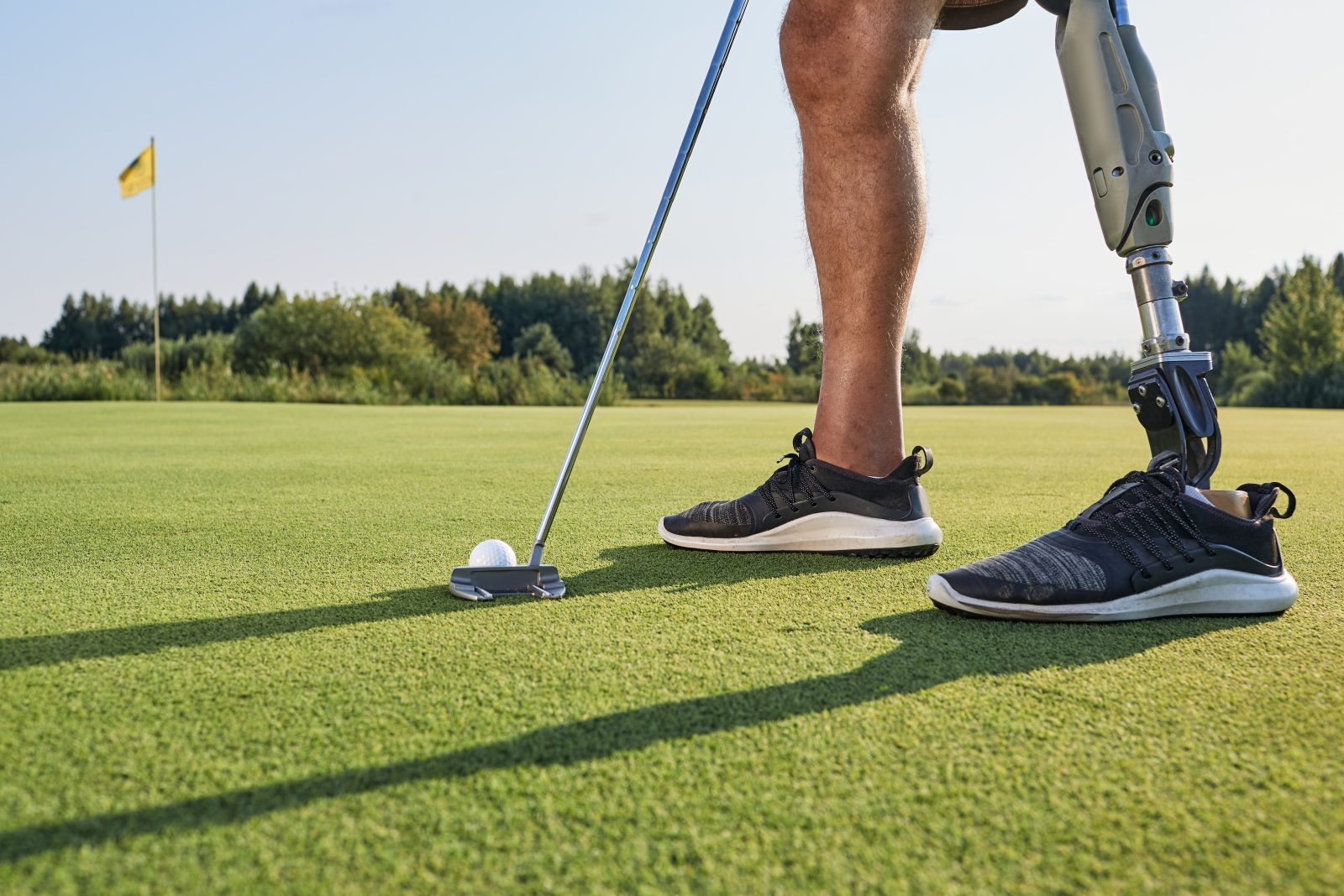
Players with disabilities can have caddies and aides to assist them with basics like taking a stance, aiming the ball before the stroke, and placing, replacing, lifting, and dropping the ball. Your support team should be trusted and reliable aides who ultimately want to see you win.
Use Adaptive Golf Carts and Mobility Aids
Many golf courses make the situation friendly for players with disabilities by offering adaptive golf carts with comfortable features for cruising the course, such as hand controls and swivel seats. You may also want to incorporate appropriate mobility aids such as wheelchairs, walkers, or crutches to move around the course safely.
Observe Proper Nutrition and Exercise
For optimal performance on the course, observe a well-balanced diet, drink plenty of water, and rest properly to avoid discomfort and fatigue. It would be best if you also worked on your stability and balance to meet the physical demands of the sport, which may involve working with your physical therapist to incorporate appropriate exercises.
Join Adaptive Golf Programs
Just like military veterans join support groups to provide them with the necessary camaraderie and love, an adaptive golf program can be a godsend for golfers with disabilities. Luckily for you, many golf clubs and organizations have such programs, providing you with the kind of coaching and support you need and allowing you to meet many like-minded peers.
Stay Positive and Adjust Your Game Accordingly
You must come to terms with the fact that your physical form may never return to how it was before the disability. Learn to love the new you and stay positive, enjoying every small success. Additionally, modify your game to fit your current form by, for instance, playing shorter distances, using a tee for every shot, or having a reputable golf instructor develop a customized swing for you.
Final Thoughts
Life goes on despite the obstacles that we encounter on our paths. Being physically challenged doesn’t mean that you have to sacrifice your passion for golf. Instead, you should join an adaptive golf program, introducing you to skilled coaches, rehabilitation specialists, and like-minded players facing the same challenges. Non-disabled golfers should also support their physically challenged counterparts to maintain their love for the sport and in getting any necessary help.