





















Every golf fan remembers the legends. Tiger’s roar at Augusta, Jack’s icy stare at crunch time, Annika making history, Rory smashing drives that defy physics. These players are burned into the collective memory of the sport.
But golf has another cast of characters: names that once flashed across leaderboards, that looked destined for greatness, but then… quietly slipped away. They weren’t journeymen. They weren’t one-week wonders. These were players who, for a season or two, seemed on the verge of owning the game. And then, almost as quickly, they faded into memory.
Let’s dust off the scrapbook and look back at a few of golf’s forgotten champions — the players who nearly dominated, but never quite stayed at the top.
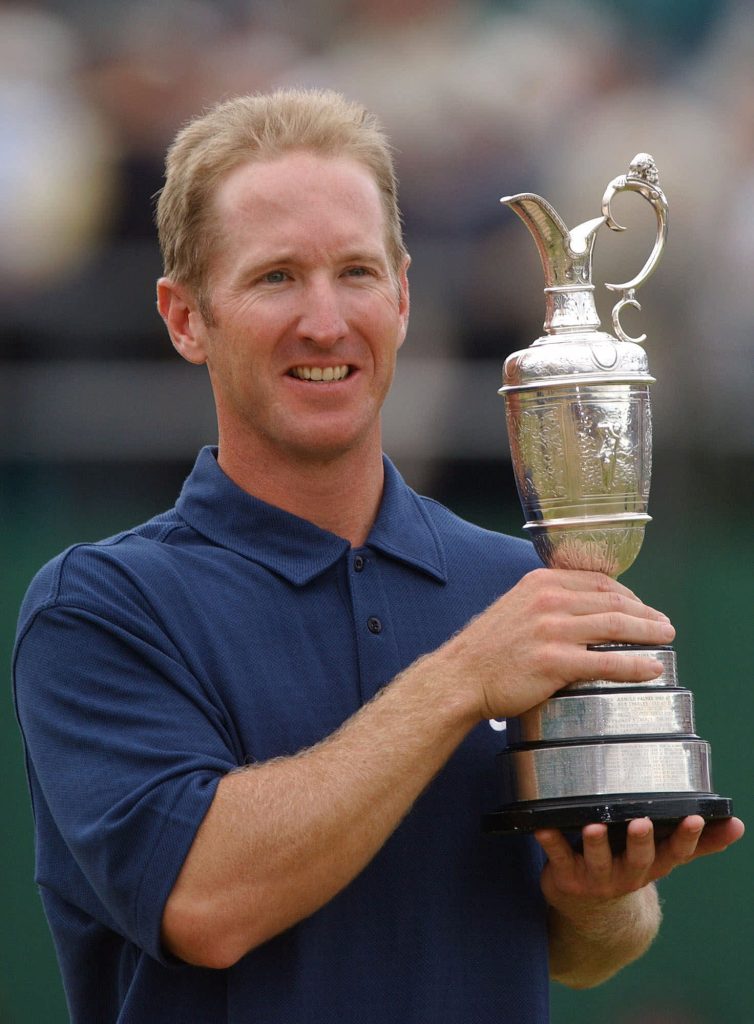
David Duval – The Man Who Briefly Beat Tiger
There was a time, hard as it may be to imagine now, when Tiger Woods wasn’t the most feared name in golf. That time belonged to David Duval.
In the late ’90s, Duval was a machine. He wasn’t flashy, but he was relentless: fairways, greens, birdies, trophies. In 1999, he actually dethroned Tiger to become World No. 1. He even shot a 59 at the 1999 Bob Hope Classic, back when 59 still felt mythical.
And then… it was gone. Injuries crept in: back, wrists, eyes. His putting, once steely, betrayed him. By the mid-2000s, the guy who looked like Tiger’s great rival was missing cuts and grinding for status. He did get his major, the 2001 Open at Royal Lytham, but what should have been a Hall of Fame career fizzled almost overnight.
Duval’s story feels like a cautionary tale about how narrow the margin is at the top.
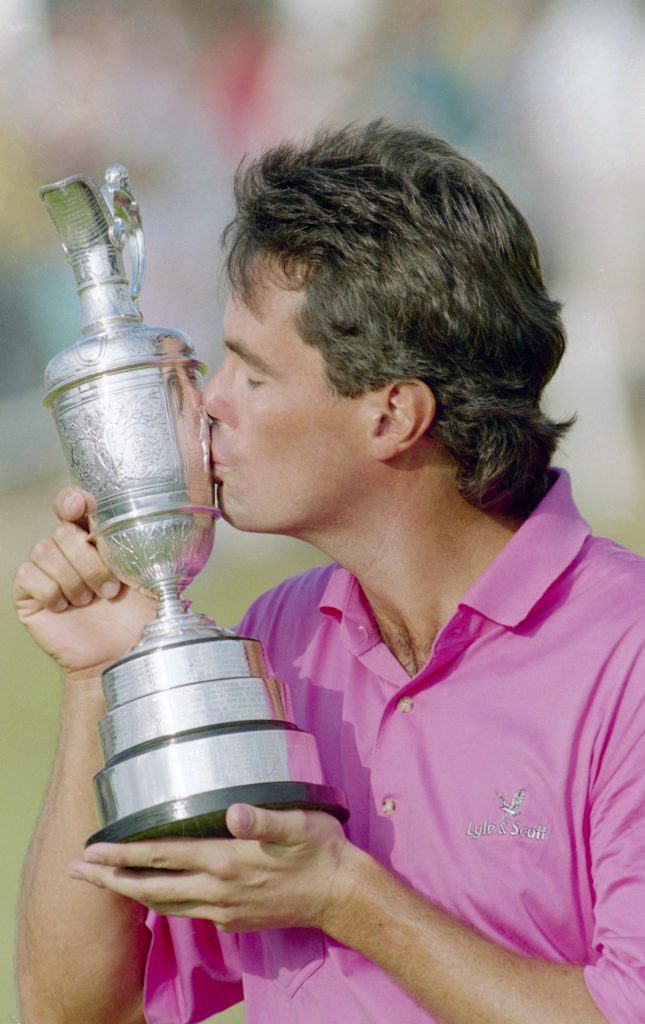
Ian Baker-Finch – From Champion to Collapse
If Duval’s decline was surprising, Ian Baker-Finch’s was downright shocking. The Australian seemed destined for a stellar career after winning the 1991 Open Championship. Smooth swing, sharp irons, nerves of steel, he looked like a player who’d be in the mix for years.
But golf can be cruel. Baker-Finch tinkered with his swing, searching for extra distance, and never found his way back. Within a few years, he wasn’t just missing cuts; he was barely keeping the ball in play. By the mid-’90s, the former Open champ was withdrawing from tournaments, and in one infamous moment, literally drove out of Augusta National mid-Masters after a disastrous opening round.
He reinvented himself as a commentator and remains well-loved, but his playing career serves as one of golf’s most dramatic flameouts.
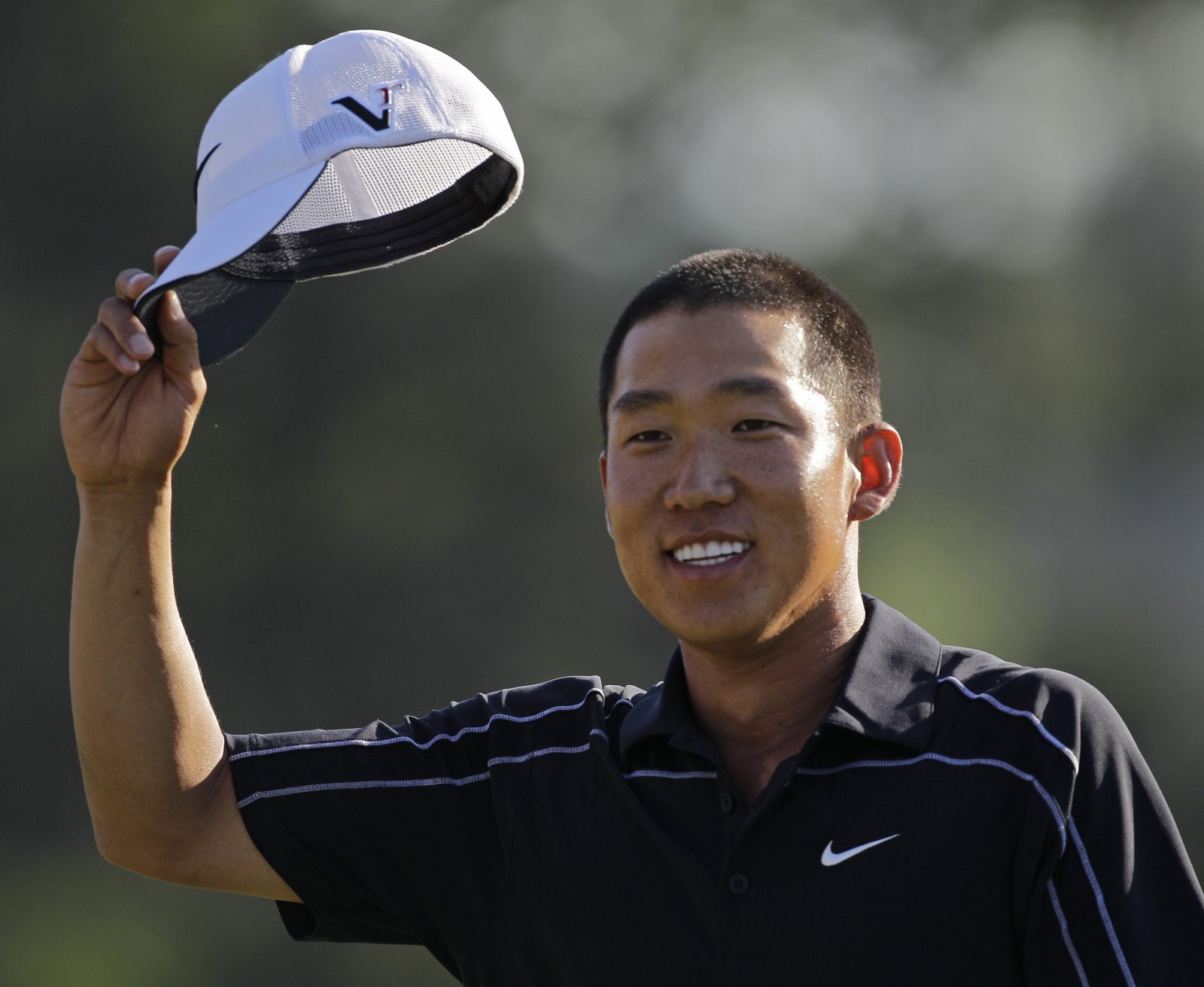
Anthony Kim – The Disappearing Magician
Now, let’s talk about golf’s version of a myth: Anthony Kim.
For a short time in the late 2000s, he was electric. Young, cocky, and aggressive, he brought swagger to a game that often feels buttoned-up. Kim won three PGA TOUR titles in quick succession and gave us that unforgettable performance in the 2008 Ryder Cup, dismantling Sergio García in singles.
Everyone assumed he was golf’s next big star. And then? Vanished.
Injuries sidelined him, but the legend grew around whispers of a giant insurance policy that meant he’d never need to tee it up again. Whether true or not, he hasn’t played a PGA TOUR event since 2012.
Kim shocked the golf world in 2024 when he resurfaced after twelve years away, joining LIV Golf as a wildcard. Once hailed as golf’s next big star, his journey back wasn’t easy; injuries, addiction, and recovery shaped his absence. His comeback stirred hope, even if results didn’t follow.

Yani Tseng – From World No. 1 to Gone
The men don’t hold the monopoly on lost greatness. Yani Tseng’s story on the women’s side is almost unbelievable.
At just 23 years old, she had already won five majors. Five. She was the youngest player — male or female — to reach that mark. Between 2008 and 2012, she was unstoppable, hammering drives past competitors, holing putts with ease, and sitting comfortably at World No. 1. People were already comparing her to Annika Sörenstam.
And then… silence.
Confidence vanished. Swing tweaks piled up. Pressure mounted. By her late twenties, she wasn’t just slipping down the rankings; she’d fallen off the radar completely. To rise that fast and fall that hard remains one of the most stunning collapses in modern golf.

John Daly – The Wild Talent That Never Settled
“Forgotten” might not be the right word for John Daly — he’s impossible to forget — but his career belongs here because of how much more it could have been.
Daly was never supposed to be at the 1991 PGA Championship. He was the ninth alternate, got in at the last minute, and ended up blasting his way to a major title with drives no one had ever seen before. He won the 1995 Open, too, proving it wasn’t a fluke.
But Daly’s life off the course was as turbulent as his swing was violent. Gambling, drinking, and personal chaos all chipped away at his consistency. He gave golf some unforgettable highlights, and fans still adore him, but two majors feel like a fraction of what his raw talent might have produced.

What These Stories Tell Us
Looking back at these names, a few themes keep popping up:
- Golf is fragile. A small injury or tiny swing change can unravel everything.
- Pressure is real. Tseng and Kim were buried under expectations before they even turned 25.
- Confidence matters. Baker-Finch went from champion to unplayable because his belief evaporated.
- Talent isn’t always enough. Daly had more natural ability than almost anyone, but greatness requires discipline, too.
What makes these players unforgettable isn’t just their collapse, it’s the brilliance we saw before it. Duval staring down Tiger. Kim lighting up a Ryder Cup. Tseng winning majors like they were club championships. Daly smashing drives that made crowds gasp.
They remind us that golf isn’t scripted. It’s unpredictable, sometimes unfair, but always captivating.
Why Remember Them?
Because their stories are as much a part of golf as Tiger’s dominance or Jack’s legacy. The forgotten champions remind us that success in this sport is fleeting, and sometimes the most fascinating tales are the ones that didn’t end the way we expected. For every Nicklaus or Woods, there’s a Duval, a Tseng, a Baker-Finch; players who touched greatness, if only for a moment. And maybe that’s why we still talk about them. Because in golf, even a moment of brilliance is enough to last forever.