





















You love the smell of cut grass, the soft thud of a well-struck ball, and the tiny thrill when a putt drops. If you also love history, nothing beats standing where other golfers have stood for a century (or more). In the United States, the story of golf is a patchwork of friendly experiments, transplanted Scottish traditions, and proud local claims. Here’s a clear, lively tour of the oldest courses and clubs you can visit, and some of the messy, fascinating arguments about what “oldest” even means.
What “oldest” actually means
Before you book a trip, pause for a second: “oldest” can mean different things. Does it mean the oldest club, the first place golf was played, the oldest course in continuous use, or the oldest incorporated club? Those are not the same. Some places claim ancient origins based on early meeting notices; others point to unbroken play since their first tee shot. You’ll see both types below, and you’ll see why golf history is as full of debate as it is of birdies.
Foxburg Country Club — a living, breathing relic
If you want the cleanest, easiest answer for “oldest course still being used,” head to Foxburg, Pennsylvania. Foxburg Country Club dates its course to 1887 and is widely recognized as the oldest golf course in continuous use in the United States. It’s a nine-hole, charmingly old-fashioned layout tucked above the Allegheny River, and playing there is like stepping into golf’s slow, comfortable past. You can still feel the original routing under your feet: narrow fairways, small greens, and a constant reminder that the game used to be simpler and somehow tougher.
Dorset Field Club — Vermont’s genteel claim
Fancy the Green Mountains? Dorset Field Club in Vermont traces its golf history back to 1886 and bills itself as one of the oldest continuously operating courses in the country. Locals and many guides list Dorset as a very early adopter of American golf, and you’ll find it charmingly uncommercial — the kind of place where you’ll meet members who can tell you the story of a single hole for decades. That said, historians and golf forums sometimes debate exact dates and documentation, so Dorset’s exact standing depends on which historian you ask.
The Country Club (Brookline) — the birthplace of American club golf
If you’re more interested in clubs than raw dates, The Country Club in Brookline, Massachusetts, deserves a stop. Founded in 1882 (initially as a general outdoor-activities club), it’s one of the earliest American clubs to embrace golf and was among the five founding clubs that formed the United States Golf Association. The Country Club’s role in the 1913 U.S. Open (and the Francis Ouimet story) means that even if you can’t get a tee time, you can still soak up an enormous amount of American golf lore around its greens.
Shinnecock Hills — the incorporated pioneer
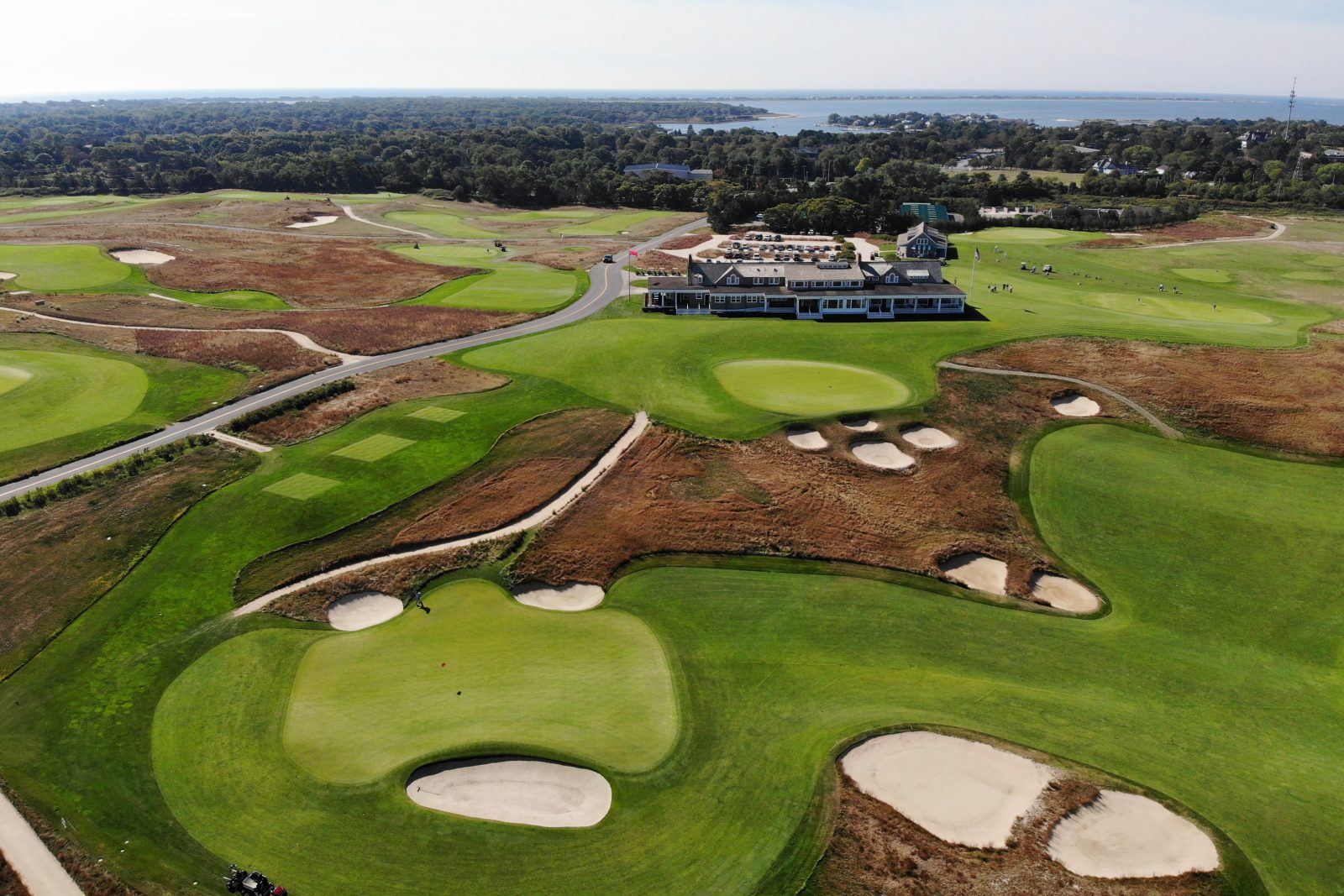
On Long Island, Shinnecock Hills is special for reasons beyond just age. Founded in 1891, it’s often cited as the oldest incorporated golf club in the U.S. and was one of the five charter clubs that helped create the USGA. Shinnecock has the classic links feel, a storied tournament history, and a prestige that puts it on many “must-see” lists, even if access is limited. If you want to feel the salt wind and taste historic weight in equal measure, Shinnecock delivers.
The messy but fascinating older claims
Now for the juicy debates you’ll overhear at any golf museum: the Savannah Golf Club in Georgia asserts roots as early as the 1790s, citing historical documents and meeting notices that point to organized play in the late 18th century. That would make Savannah the nation’s earliest claimant, but the continuity and nature of play over the centuries are disputed by historians, so it’s a different kind of claim than Foxburg’s uninterrupted operation. Similarly, scattered local clubs and field-day links have dates floating around them that predate many recognized courses, yet they lack continuous documentation or were transformed over the years. If you love a riddle, this side of golf history will keep you digging.
So which should you visit?
If you want authenticity and a clear claim, play Foxburg (Pennsylvania) and Dorset (Vermont) if you can; they give you the flavor of genuinely old American golf. If you want heritage and major-championship cachet: The Country Club (Brookline) and Shinnecock Hills are pilgrimage sites, even if access is restricted. If you love historical mystery and archival detective work, Savannah offers a seductive, controversial narrative that refuses to die.
A final tee shot
You don’t have to choose one “oldest” course; you can collect experiences instead. Some places win on continuity, others on documentation, and a few on sheer legend. Whatever you chase, you’ll find that playing around America’s oldest courses is less about checking a box and more about touching a living thread of history. So grab your clubs, pick a course, and enjoy the sense that with every swing you’re part of a story that’s been unfolding for generations.