





















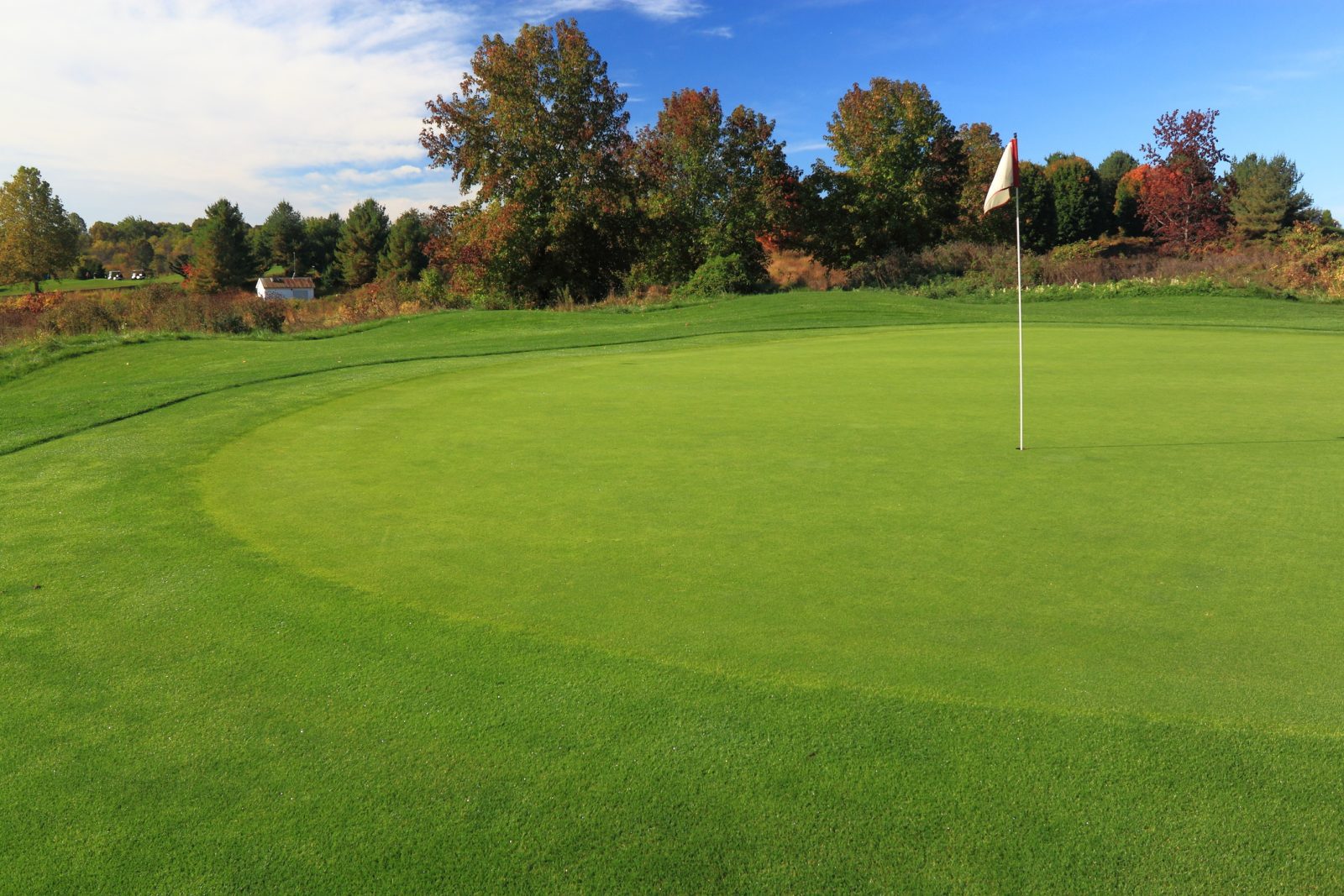
Let’s play a little game. Imagine a golf green. Got it? Now, what size is it?
Is it a big ol’ patch of emerald heaven, big enough to land a small plane on? Or is it a tiny, evil little patch that laughs maniacally every time your ball rolls 6 inches past the hole and straight into oblivion?
Welcome to the wonderful, unpredictable world of golf greens. These tricked-out, turf-covered sections of a course are where dreams come true—or violently explode.
So, how big (or small) can a golf green actually be?
First, What Is a Golf Green, Really?
If you’re new to golf (or have somehow avoided this sport where we chase a little white ball through acres of grass), the “green” is the final destination on each hole — the smooth, manicured area where the hole lives and putting happens. It’s the red carpet leading to the cup.
Unlike fairways or tee boxes, greens are groomed within an inch of their lives. Groundskeepers treat them better than most people treat their own lawns. And that’s fair — because a good green can make or break a hole. A bad green? It’ll break your spirit.
The Standard Size… If There Even Is One
Here’s the thing about golf: almost nothing is standard. Sure, there are rules (thank you, USGA), but course designers have a flair for the dramatic.
That said, the average golf green is about 5,000 to 6,000 square feet. For a more relatable image, that’s roughly the size of a large house or about 1.2 NBA basketball courts.
But—and here’s the kicker—greens can be way smaller… or wildly bigger.
The Smallest Greens: Precision Required
Let’s talk tiny.
Some greens, especially on older or “links-style” courses, can dip below 3,000 square feet. That’s smaller than the produce section in your local supermarket. Take the 9th hole at Pebble Beach, for instance. This little devil is barely 3,500 square feet. And yet, it’s surrounded by bunkers, wind, and the Pacific Ocean whispering “miss it left, I dare you.”
Smaller greens demand precise approach shots. No room for error. They’re like that strict school teacher who wouldn’t accept late homework—unforgiving, brutally honest and always ready to humble you.
Designers often place small greens on par 3s to reward (or punish) short-iron accuracy. A slight miss? You’re in the sand. Or rough. Or the water. Or rethinking your life choices.
The Biggest Greens: Go Big or Go Home
On the flip side, some greens are so big you feel like you need a GPS and a snack just to walk from one side to the other.
Take the 18th green at the International Golf Club in Massachusetts, for instance. It’s 28,000 square feet. That’s half a football field, if you’re counting. You could host a music festival on it. And it has multiple tiers — because being big wasn’t enough. It had to be complicated, too.
Other examples include the Old Course at St. Andrews, where seven greens are shared by two holes each. Those “double greens” are over 25,000 square feet. That’s not a green — that’s a golf neighborhood.
Big greens sound generous, right? More room to land your ball? Sure… until you realize your ball is on the green but 100 feet from the hole. Enjoy that three-putt.
Why Such a Wide Range?
Ah, now we’re getting philosophical. Why do greens vary so much?
Because no two golf courses are the same. Designers play with size to:
- Match hole difficulty: A long par 4 might have a bigger green to help you out. A short par 3 might make it tiny to demand accuracy.
- Balance playability vs. challenge: Big greens are forgiving, but they’re also prone to longer putts. Small greens reward precision but punish imperfection.
- Account for terrain: Hills, water hazards, natural features—sometimes you work with what the land gives you.
- Mess with golfers’ heads: Seriously. A small green surrounded by bunkers is an anxiety trap. A huge green with wild slopes is a three-putt factory.