





















Golf has a long history of being a challenging sport for TV, as it doesn’t lend itself easily to the small screen. The game unfolds slowly, the action stretches across hundreds of acres, and the most important moment of a shot often happens far away from the player who struck it.
For years, broadcasters have been seeking a way to bring the game to life on TV. They were struggling to make us care, to show us the strategy, the beauty, the tension – all the things that make golf such a compelling watch. But all that changed big time with the arrival of modern tech. Stuff like drones, super-accurate ball tracking, real-time stats, and all sorts of whiz-bang AR graphics have made golf broadcasts an entirely different animal. What used to require some serious imagination to picture can now be seen right there on your screen.
The Drone Revolution
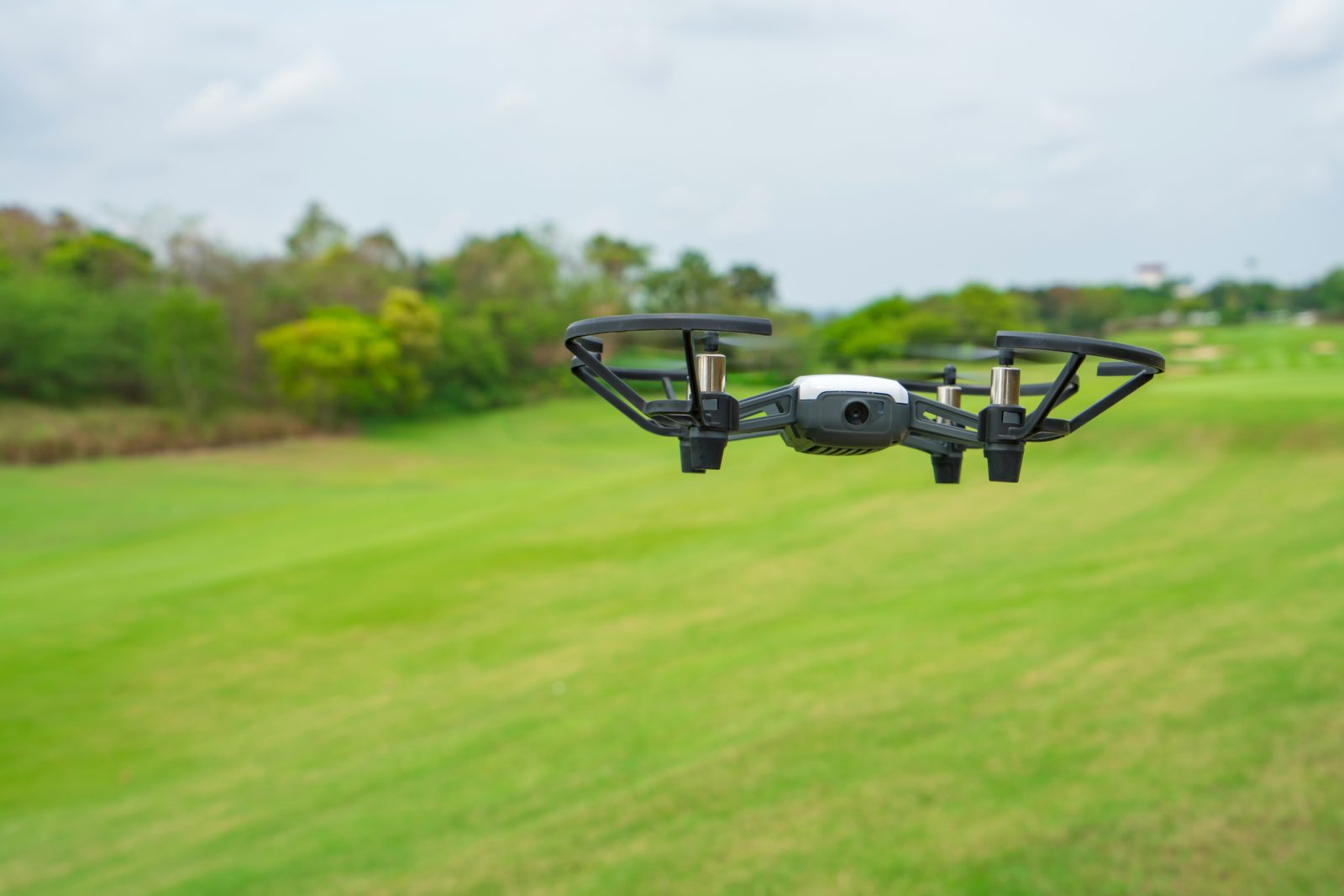
Golf on TV has been revolutionized by the introduction of drones. Sure, the big camera towers are still around, but drones have given them a serious run for their money when it comes to getting the perfect shot.
You get a whole new view of the course when drones are whizzing around above the fairways and greens, angles that only course designers or helicopter pilots used to get. You can see just how tricky a par four is when viewed from up high, even if it looked pretty straightforward from the ground. All those subtle slopes and tricky bunkers jump into view, and you start to think a lot more about the course as you watch.
Drones also let the TV crew track golf shots in mid-flight, something that always used to be a bit of a guessing game on telly. And now, instead of just losing the ball in the distance, we can follow it all the way from the tee to where it lands on the ground, making the whole thing a lot more exciting and a lot clearer to watch.
Shot Tracing Technology
For regular viewers enjoying golf from the couch, watching a tiny white ball sail hundreds of yards is often a pretty infuriating experience. But shot tracing tech has made that a thing of the past.
By using some advanced tracking systems, broadcasters do an overlay of a digital line that basically follows the exact path of the ball. And suddenly you’ve got yourself a clear visual guide on whether that shot is curving way off course, or heading straight for the target.
But shot tracing is more than just entertainment; it’s actually a huge help in making the game a lot more understandable. When a pro is curving the ball around a tree or expertly fading it into a tricky pin placement, it helps to see that ball’s path clearly. You can actually appreciate just how hard that shot is.
And let’s not forget about the suspense: when that ball starts drifting off course and heading for water or a sandtrap, the digital line really ramps up the tension in real time.
Data and Analytics
Modern golf broadcasts have come to rely pretty heavily on some seriously advanced analytics to break down what’s happening on the course. The kinds of stats that used to be the exclusive domain of coaches and pros are now helping the rest of us get a better feel of what’s going on out there during a round.
Stuff like strokes gained, driving accuracy, and how close a player is getting to the hole give us a glimpse of all the under-the-radar factors that contribute to some really impressive performances. A guy might look pretty steady throughout the day, but if the data says he’s hitting his irons way better than anyone else, that changes the story a bit.
And then there’s the fact that all these numbers also bring strategy to life. When commentators start tossing around words like probabilities and historical outcomes, fans get a better sense of what’s going on in that player’s head when they’ve got the whole field watching.
Augmented Reality
Augmented reality, or as some people call it AR, is one of the most thrilling innovations that’s taking the world of golf broadcasting by storm. Broadcasters are now using some seriously cool graphics to drop digital stuff right onto the course while they’re showing you the live action.
Slope maps get projected onto the greens, giving viewers a real eye for those subtle breaks that can make all the difference when it’s time for a putt. Virtual yardage markers pop up along the fairways, showing viewers exactly how far it is to the hazards, the landing zones, and that flagstick.
Some broadcasts are even taking it a step further by simulating what a shot might look like before the player even swings. These visual guides take strategy and turn it into a story that makes perfect sense, showing us not just what happened, but what might happen next, and that’s a whole new level of engagement.
A More Immersive Future for Golf Fans
Golf broadcasting still has a lot of room to evolve and get even better. Emerging technologies such as real-time biometric data, wearable player microphones, and enhanced course mapping promise to deepen the viewing experience even further.
What used to be left to your imagination is now right in front of you on the TV screen. You can see the exact layout of the course, how the physics play out with each shot, and what’s going on in the mind of the player making every single decision.
Golf is still a game of quiet focus and incredible skill. Technological advancements have just given us a better way to see all that, turning TV coverage into something that’s actually pretty compelling for every type of viewer.