




















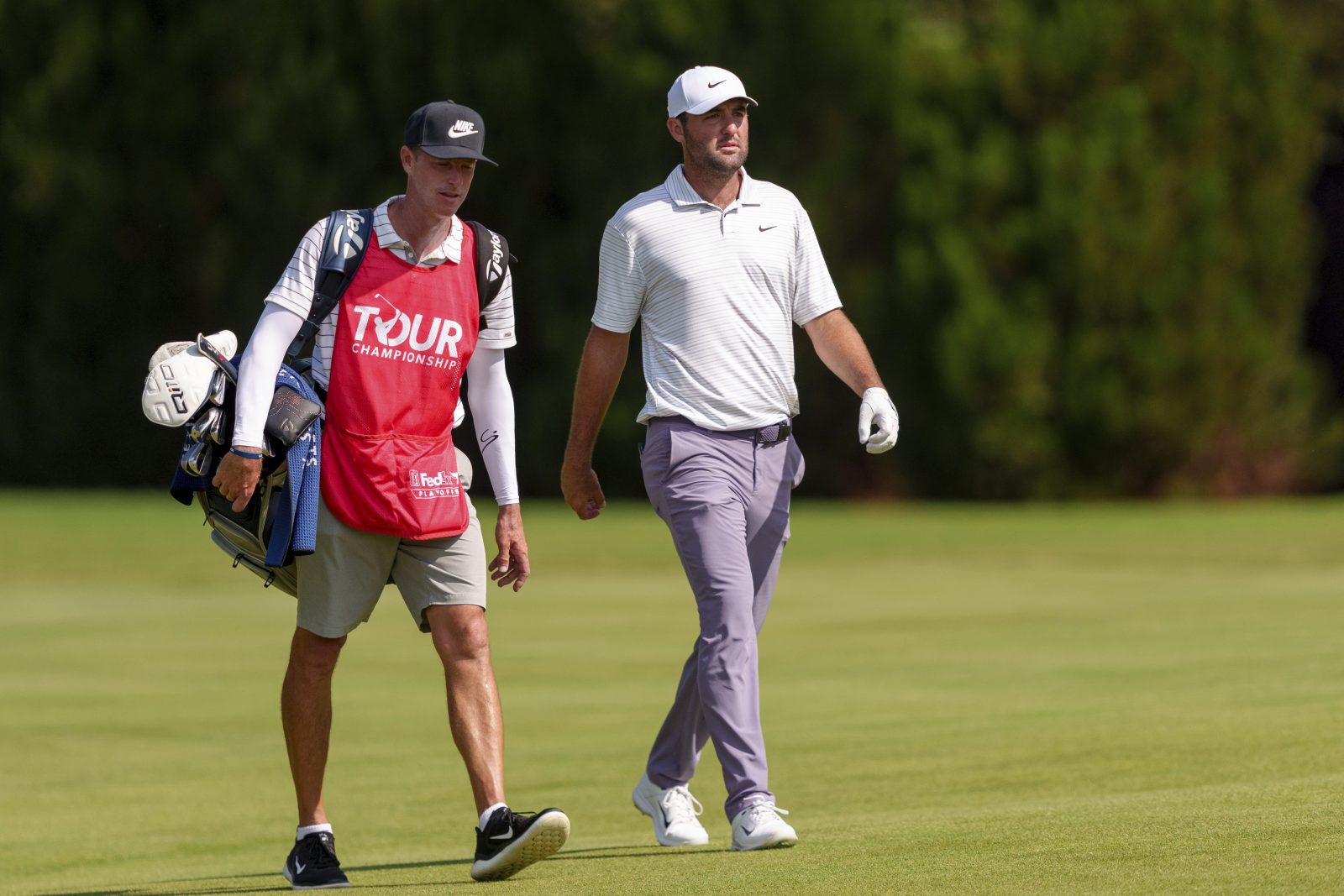
Modern golf isn’t just about power swings, perfect yardages, or the latest carbon-crowned driver. Behind almost every great round, there’s a quiet partnership walking side-by-side — a player and a caddie moving in rhythm, thinking through choices, and handling nerves together. In 2025, this relationship feels closer to a tiny two-person company than a traditional sporting duo. There’s strategy. There’s emotion. There’s tension. And at the center of it all is trust built over thousands of shots.
The money side
Caddie pay has become a real talking point in recent years. What used to be a handshake agreement has evolved into something that looks a lot more like a proper business partnership. Weekly stipends, performance percentages, bonuses, travel support — all of it is more structured.
The standard formulas still show up: around 5% for made cuts, roughly 7% for solid finishes, and about 10% when a trophy is involved. But elite caddies are negotiating stronger guarantees, especially with packed golf calendars and increased player commitments worldwide. Some teams build full-season agreements so both sides know what their financial world looks like long before the first tee shot of the year. It’s professional respect, but it also reflects how central caddies have become to performance.
Analytics everywhere
The modern caddie isn’t just walking the course with a notebook and a pencil. Today’s preparation can look a bit like a pre-game meeting in a small analytics department. Shot patterns, dispersion charts, strokes-gained comparisons, pin-sheet predictions, weather modeling — even personality-based strategy discussions.
But what separates a great caddie from a spreadsheet is the timing. Data is helpful on Wednesday afternoon, not when a player is over the ball trying to quiet their heartbeat. The skill lies in absorbing all the information early, then distilling it into something simple and calm later. A short sentence. A steady tone. A reminder of what has worked before. That blend of brains and feel is exactly why some pairings keep winning.
The emotional engine behind every round
Even with all the tech and planning, the emotional side of the job might matter most. Caddies see everything: the frustration after a wild hook, the hesitation before a risky shot, the confidence that suddenly appears after one pure hit. Their job is to read the moment and set the temperature.
Some players need fire. Some need ice. Some need jokes. Some need silence. A caddie becomes part coach, part therapist, part best friend — depending on the hole, the shot, or sometimes the hour of the day.
And when the pressure hits — usually late on Sunday — it’s often the caddie who steadies the storm. One right comment can save a swing.
How new tours and formats have shifted relationships
Golf’s shifting landscape — with more tours, more team formats, and more global events — has changed life for caddies in practical ways. Travel support has improved. Contracts are clearer. In some places, the environment is more organized and predictable than it used to be. As tours compete for players, they’re indirectly competing for caddie satisfaction as well, since a happy caddie often makes for a sharper player.
This unexpected leverage has raised expectations. Caddies want fair treatment and better travel conditions, and they’re getting more comfortable asking for it.
Breakups, reunions, and the fragile nature of partnerships
Even strong partnerships eventually hit complicated moments. A slump, a personality mismatch, or simply a desire for a fresh start can lead to a split — and golf fans always notice. The transition can be tough. A new caddie changes pacing, communication style, and course-management habits. Some partnerships click instantly; others take months to find rhythm.
Still, when a breakup leads to a new spark or a renewed confidence, it shows how much the relationship matters. A player can gain a completely new perspective just by hearing a different voice in the yardage book.
Team events
Events like the Ryder Cup highlight how essential caddies really are. They help set pairings, guide momentum in match play, and manage nerves in an atmosphere that feels more like a stadium than a golf course. Their advice suddenly becomes part of a country’s sporting storyline.
These moments allow the public to see what players already know: a caddie isn’t just supporting the game — they’re influencing the outcome.
Inside a typical week
Preparation for a tournament has a rhythm: early walks of the course, updated yardages, wind studies, rehearsal of potential trouble spots. But the human rituals matter just as much. A joke on the first tee of the week. A reminder about the putt that turned everything around last season. A shared breakfast at the same restaurant every year at a certain event.
These tiny, personal traditions shape comfort and routine. And comfort often leads directly to confidence.
Why intuition still beats algorithms
Analytics offer probabilities. Experience offers instincts. The best caddies can sense when a player feels perfect over a long iron, even if the “smart” play says lay up. They can spot nervous pacing, tightening shoulders, a quickened breath — signals no data platform can measure.
Great teams treat numbers like a compass, not a rulebook.
Final thoughts
The player may swing the club, but the caddie shapes the journey. Together they build plans, fight doubt, celebrate the tiny victories inside each round, and chase the thrill of getting everything right for just a few hours. That shared pulse — that trust forged across miles of fairways — is what makes the modern caddie-player relationship one of the most fascinating dynamics in sports.
When it works, it feels almost invisible. But everyone watching can sense it.